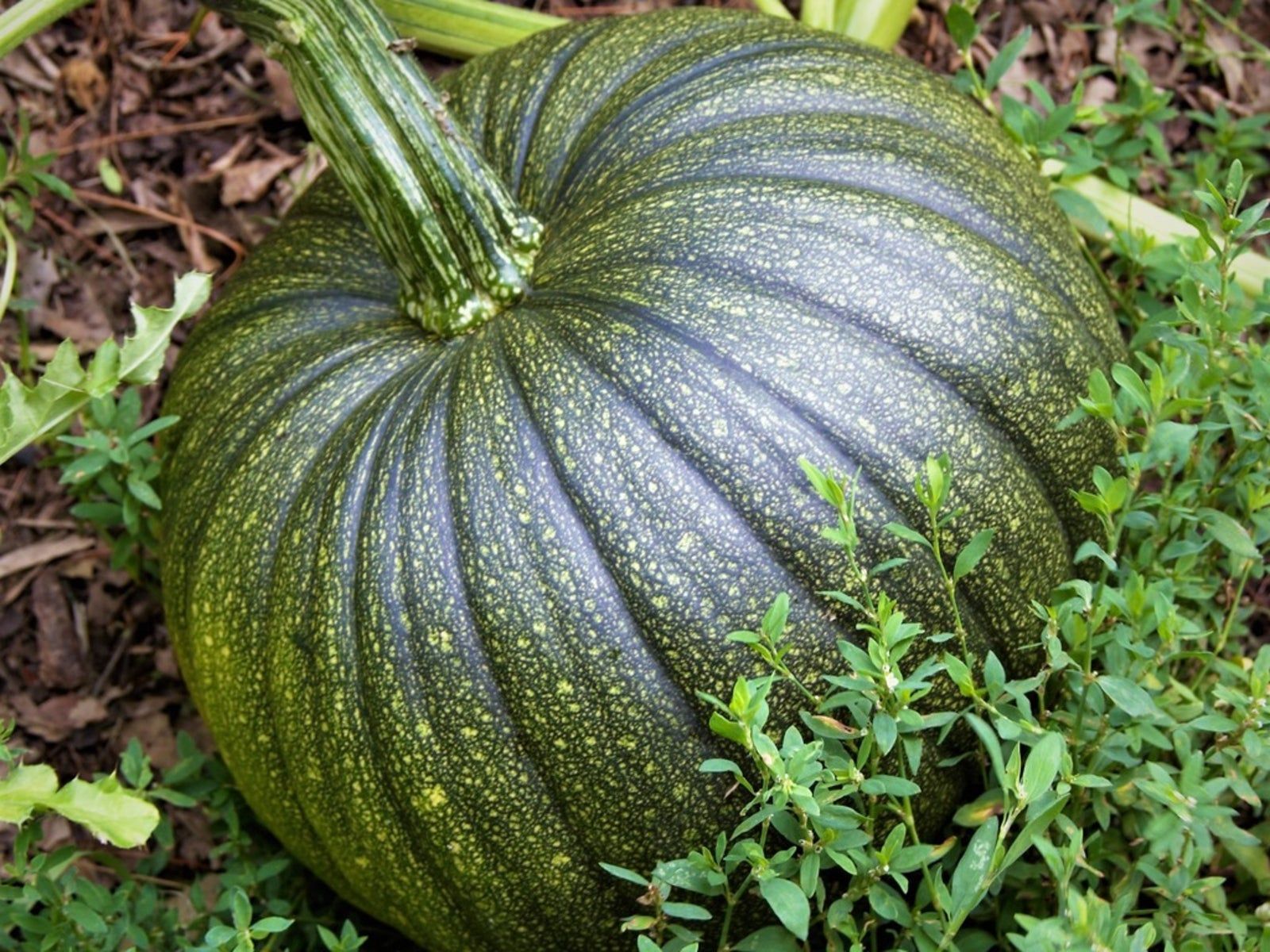
There's nothing quite like the sight of a vibrant orange pumpkin signaling the arrival of autumn. Whether you're planning a spooky Halloween display, a festive Thanksgiving centerpiece, or a delicious homemade pumpkin pie, that iconic orange hue is essential. But what happens when nature throws a curveball, and your pumpkin patch is still brimming with green gourds as the temperatures drop? Don’t despair! Learning how to turn pumpkins orange, even when they’re still green on the vine or newly picked, is a surprisingly simple and rewarding process. With a few smart indoor and outdoor techniques, you can salvage your harvest and ensure your pumpkins achieve their full, beautiful color.
Why Green Pumpkins Need a Helping Hand (and When to Intervene)
For many avid gardeners, the sight of a flourishing pumpkin patch is a true labor of love. Months of careful tending, watering, and nurturing culminate in the promise of a bountiful harvest. However, Mother Nature often has her own agenda, and sometimes our pumpkins just aren't quite ready to show their true colors. The most common culprit? Jack Frost. His unwelcome arrival often halts the natural ripening process in its tracks. A sudden cold snap or overnight frost can damage delicate vines and fruit, leaving your green pumpkins vulnerable and preventing them from ever reaching that desired orange.
But frost isn’t the only reason your pumpkins might be reluctant to ripen. Sometimes, plants can succumb to diseases or insect infestations, causing the vine to wither and die prematurely. An accidental snip or break in the vine can also cut off the pumpkin's lifeline to nutrients, stalling its development. In all these scenarios, waiting for nature to take its course outdoors is no longer an option. This is precisely when you need to step in and apply some proven strategies to help those green pumpkins turn orange. The good news is that even partially ripe or entirely green pumpkins can often be coaxed into full maturity with the right conditions.
The Science Behind the Orange Glow: What Pumpkins Need to Ripen
To truly understand how to turn pumpkins orange, it helps to grasp the underlying biological process. Like many fruits, pumpkins undergo a transformation where their green pigment, chlorophyll, breaks down. This chlorophyll is responsible for photosynthesis, capturing sunlight to create energy while the pumpkin is still growing on the vine. As the pumpkin matures, or when environmental conditions signal the end of the growing season, the plant stops producing chlorophyll. The green fades, revealing the vibrant orange, yellow, and red pigments known as carotenoids that were always present but masked by the chlorophyll.
This color change isn't just aesthetic; it signifies a chemical maturation. For this transition to occur successfully, three key elements are crucial: warmth, light, and time. While direct, intense sunlight can sometimes be beneficial for pumpkins still on the vine (as it contributes to warmth), the primary driver for ripening a detached green pumpkin is consistent warmth. This warmth acts as a catalyst, encouraging the enzymatic processes that degrade chlorophyll and develop carotenoids. Ambient light is also beneficial, though not necessarily direct sun exposure, especially indoors where it might lead to uneven ripening or overheating.
Think of it like ripening tomatoes or bananas; consistent warmth and a bit of indirect light are often more effective than scorching direct sun. Some fruits even benefit from exposure to ethylene gas, a natural plant hormone that triggers ripening. While pumpkins produce some ethylene, providing the ideal warm environment encourages their natural ripening.
Indoor Ripening: Your Frost-Proof Pumpkin Factory
When the threat of frost looms, or if you've had to rescue your pumpkins from pests or diseases, bringing them indoors is your most reliable strategy for achieving that perfect orange hue. The beauty of indoor ripening is the control it offers. This method works wonderfully for pumpkins of all sizes and is surprisingly straightforward.
Step-by-Step Indoor Method to Turn Green Pumpkins Orange:
- Clean Your Pumpkins: Before bringing them inside, gently wipe off any dirt or debris from your green pumpkins. This minimizes the risk of introducing pests or mold indoors.
- Find a Warm Spot: The cardinal rule for indoor ripening is consistent warmth, ideally between 68-75°F (20-24°C). Excellent locations include:
- Near a sunny window (but not in direct, intense sunlight that could cook them).
- On a countertop in a warm kitchen.
- A heated sunroom or enclosed porch.
- Any room that stays consistently warm, away from drafts.
- Ensure Good Air Circulation: This is crucial for preventing mold and rot, especially when ripening multiple pumpkins. Don't pile them up or place them in enclosed spaces. Give each pumpkin some breathing room. If you're ripening several, consider placing them on a wire rack or a breathable surface rather than directly on a solid floor or counter.
- Rotate Regularly: To encourage even coloring, turn your pumpkins every few days. This ensures all sides get exposed to the ambient warmth and light, helping the greenest patches catch up to the rest.
- Patience is a Virtue: The ripening process takes time. Depending on how green your pumpkin was to begin with, it could take anywhere from a few days to a few weeks. Small pumpkins tend to ripen faster than larger ones. Keep an eye on them, and you’ll notice the green gradually giving way to streaks of yellow, then orange.
This indoor strategy is a fantastic way to salvage your harvest and is particularly effective when outdoor conditions are no longer favorable. For more detailed insights on protecting your pumpkins from the cold while they ripen, check out our guide on Turn Green Pumpkins Orange Indoors: Easy Frost-Proof Trick.
Outdoor Strategies: Harnessing Nature's Ripening Power
While indoor ripening offers control, you might prefer to let pumpkins mature outdoors if conditions allow. If a hard frost isn't imminent, effective outdoor methods can encourage your green pumpkins to turn orange.
For Pumpkins Still on the Vine:
- Maximize Sun Exposure: Sunlight directly contributes to the warmth the pumpkin needs. If leaves are shading your pumpkins, carefully prune away any foliage that is blocking direct sun exposure to the fruit. Even small patches of sunlight can make a difference in the waning days of the growing season.
- Protect from Early Frost: If a mild frost is predicted, you can provide temporary protection. Cover your pumpkins and their vines with large plastic sheeting, old blankets, or tarps in the evening. Anchor the covering with bricks or rocks to prevent it from blowing away. Remove the cover during the day if temperatures rise significantly to prevent overheating, but leave it on if the day remains very cold. This acts like a mini-greenhouse, trapping warmth and extending the growing window.
For Picked Green Pumpkins Outdoors:
If the garden season is definitely over, but you’d prefer to keep your pumpkins outdoors for a bit longer, perhaps on your patio or deck, follow these steps:
- Clean Them Thoroughly: Just like indoor ripening, wash off any dirt from your harvested green pumpkins. This helps prevent soil-borne pathogens from causing rot during the ripening process.
- Find a Warm, Sunny Spot: Place your cleaned pumpkins on a warm, well-drained surface like a sunny deck, patio, or even a gravel path. The warmth from the surface and the sun will help to activate the ripening enzymes.
- Orient for Optimal Sun: Position the pumpkin so its greenest side is facing the sun.
- Rotate for Even Ripening: Every day or two, rotate the pumpkin to ensure all green areas receive equal exposure to the sun and warmth. This prevents one side from ripening faster than the other.
- Bring Them In at Night (Crucial for Warmth): This step is vital if nighttime temperatures are dropping, as cold nights can slow ripening or cause damage. Bring your pumpkins indoors overnight to a warm garage, shed, or your home, then return them to their sunny outdoor spot the next morning. This consistent warmth is key to a successful transformation.
Harnessing the sun’s power and protecting your pumpkins from temperature extremes can yield beautiful results. For more details on optimizing outdoor ripening, be sure to read our comprehensive guide: Ripen Green Pumpkins: Use Warmth & Sun for Perfect Orange.
Tips for Success and What to Expect
While these methods significantly increase your chances of success, it’s important to manage expectations, especially with very immature pumpkins. A pumpkin that is completely dark green and rock hard might struggle to achieve a vibrant orange, or it may take a very long time. Pumpkins that are already showing some streaks of yellow or light orange are the best candidates for accelerated ripening.
- Be Patient: Ripening is a natural process that can’t be rushed. Give your pumpkins the time they need.
- Monitor for Spoilage: Always keep an eye out for soft spots, mold, or an unpleasant smell. These are signs of spoilage, and unfortunately, once a pumpkin starts to rot, it won't ripen further. Good air circulation is your best defense against this.
- Post-Ripening Care: Once your pumpkins have achieved their desired orange, they're ready for decoration or culinary use! Store ripe pumpkins in a cool, dry place if you're not using them immediately. They will generally last several weeks, sometimes even months, when stored properly.
- Variety Matters: Some pumpkin varieties naturally have shorter ripening times or are bred for earlier maturation. If you’re often battling early frosts, consider planting varieties known for quick development in future seasons.
Turning green pumpkins orange is a rewarding hack. By understanding the simple needs for warmth, light, and time, you can confidently take control of your harvest, ensuring beautiful, perfectly orange pumpkins for your autumn festivities. So next time you see a green pumpkin, remember that a vibrant orange future awaits!
